
Quick Answer: What Is an Asthma Action Plan?
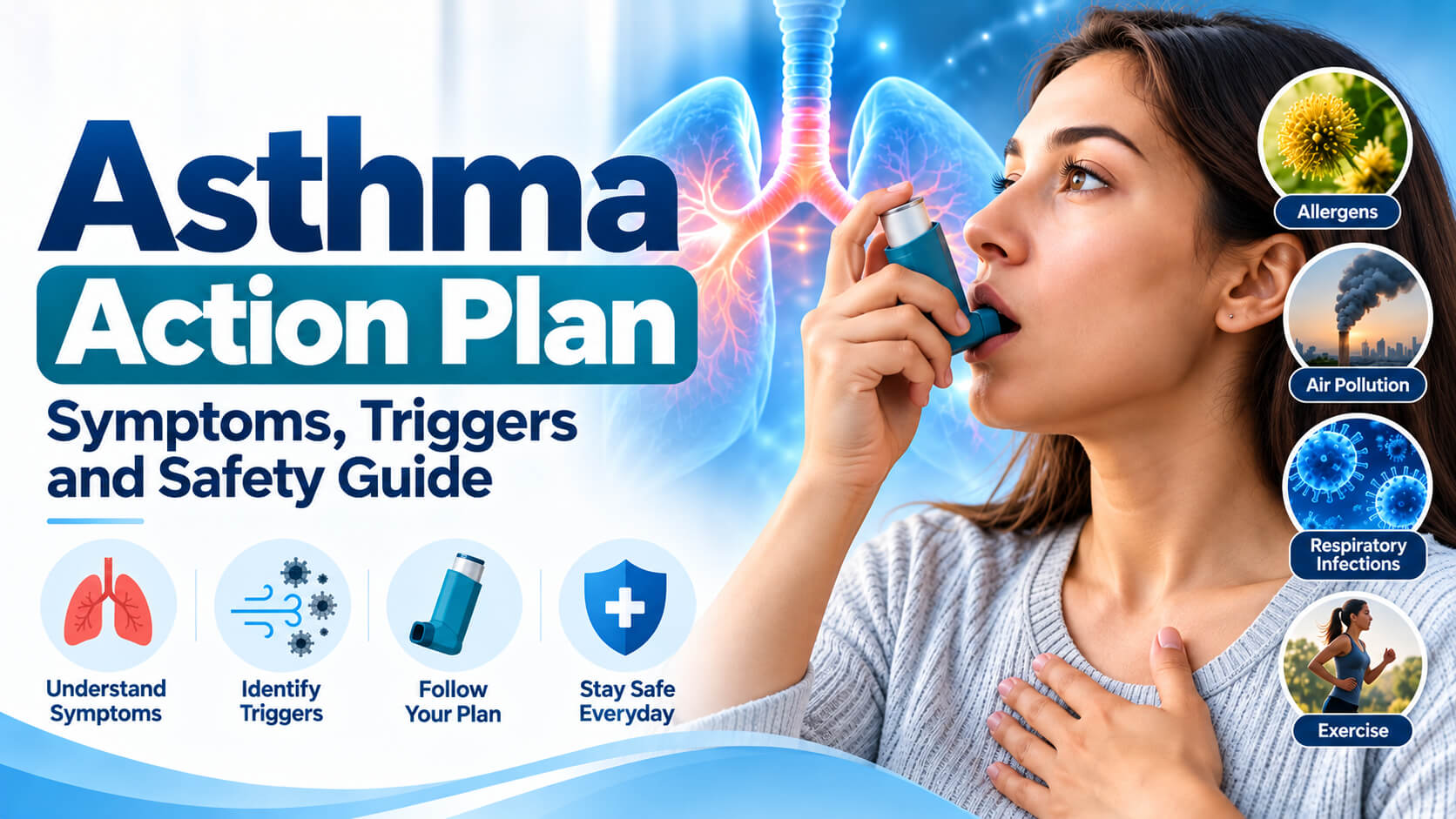
An asthma action plan is a written set of instructions tailored to an individual's needs. It helps the person understand what to do when symptoms are stable, when symptoms worsen, and when urgent medical care is needed.
What Is an Asthma Action Plan?
A healthcare professional may include the following information in a plan:
- The person's usual symptoms and known triggers.
- Instructions for following their prescribed treatment plan.
- Warning signs that symptoms may be getting worse.
- Contact information for their healthcare team.
- Guidance on when to obtain urgent or emergency medical assistance.
The plan should be discussed with the person who manages the individual's asthma. It should not be copied from another person's plan because symptoms, medical history, and treatment needs can differ.
Explore LalaRX Respiratory GuidesWhat Are the Common Symptoms of Asthma?
Asthma symptoms occur when the airways become inflamed and narrowed. The symptoms and their severity can vary from one person to another.
Wheezing
Wheezing is a whistling sound that may occur during breathing. It can be associated with asthma, but other respiratory conditions may also cause it.
Shortness of Breath
A person may feel that breathing requires more effort than usual. Shortness of breath during ordinary activities or at rest deserves appropriate medical assessment.
Chest Tightness
Some people experience pressure or tightness in the chest. This symptom can have several causes, so it should not automatically be attributed to asthma.
Persistent Coughing
Asthma-related coughing may become more noticeable at night, early in the morning, during exercise, or after exposure to certain triggers.
If symptoms repeatedly interrupt sleep, interfere with everyday activities, or become more frequent, arrange a medical review.
What Can Trigger Asthma Symptoms?
Asthma triggers are factors that may cause symptoms or make existing symptoms worse. Not everyone reacts to the same triggers.
1. Pollen and Other Allergens
Pollen, dust mites, mold, and animal dander can trigger respiratory symptoms in some people. People who experience both allergies and asthma may benefit from discussing their symptoms and possible triggers with a healthcare professional.
Read our related educational article: Common Allergy Triggers: What Causes Allergy Symptoms?. Additionally, learning about seasonal allergies: symptoms, causes, treatment & prevention can help you identify if pollen or environmental factors are aggravating your breathing.
2. Respiratory Infections
Colds and other respiratory infections may worsen asthma symptoms. It is useful to tell a healthcare professional when breathing problems begin or change during an illness.
Read more in Allergy Symptoms vs Common Cold: How to Tell the Difference. This article explains differences between common allergy symptoms and cold symptoms, although neither should be used to diagnose asthma.
3. Smoke and Air Pollution
Tobacco smoke, air pollution, and some strong fumes can irritate the airways. Reducing exposure where practical may help people who are sensitive to these irritants.
4. Exercise and Cold Air
Physical activity and cold, dry air may trigger symptoms in some people. Having asthma does not automatically mean someone must avoid exercise. A healthcare professional can help determine appropriate precautions for the individual's situation.
5. Workplace and Household Irritants
Dust, fumes, and other substances encountered at home or work may contribute to respiratory symptoms. Keeping a record of when symptoms occur can help identify patterns to discuss with a healthcare professional.
How Is Asthma Diagnosed?
Asthma diagnosis involves assessing symptoms and considering other possible explanations for breathing problems.
A healthcare professional may:
- Ask when symptoms started and how often they occur.
- Review medical history and possible environmental triggers.
- Examine the person and assess their respiratory symptoms.
- Recommend lung-function testing, such as spirometry, when appropriate.
Symptoms alone cannot always confirm asthma. Wheezing, coughing, and breathlessness may occur with several conditions, so professional assessment is important.
How Can an Asthma Action Plan Support Daily Life?
A personalized plan can make it easier to recognize changes and know whom to contact for advice.
Understand Your Warning Signs
Learn which symptoms are usual for you and which changes should prompt medical attention. Share concerns with your healthcare professional instead of waiting for symptoms to become severe.
Follow Your Agreed Care Plan
Follow the treatment instructions provided by your healthcare professional. If you are uncertain about how or when to use a prescribed medicine, ask your clinician or pharmacist to explain the instructions. Do not independently change prescribed treatment based only on information found online.
Record Symptoms and Possible Triggers
A simple diary can record when symptoms occur, what was happening beforehand, and whether sleep or daily activities were affected. This information may help during medical appointments.
Review the Plan Regularly
Asthma symptoms and circumstances can change over time. Ask your healthcare professional when the plan should be reviewed and whether any updates are needed.
Everyday Habits That May Support Respiratory Health
General measures may help people manage their surroundings and prepare for changes in symptoms.
- Reduce exposure to smoke and known irritants where practical.
- Keep living spaces appropriately ventilated.
- Address visible dampness or mold safely.
- Follow relevant medical advice during respiratory infections.
- Attend scheduled medical reviews.
- Make sure caregivers know how to follow the person's action plan.
These measures do not replace prescribed care, and avoiding every possible trigger may not be realistic.
When Is Breathing Difficulty an Emergency?
Severe breathing difficulty can be life-threatening. Seek emergency medical assistance if someone is struggling to breathe, cannot speak in full sentences because of breathlessness, becomes confused, or develops blue or grey lips.
Follow their emergency action plan if one is available. Do not delay emergency care while waiting for symptoms to improve.
New or sudden chest pain, fainting, or rapidly worsening breathing also requires urgent assessment because these symptoms may have causes other than asthma.
Frequently Asked Questions
Can asthma symptoms change over time?
Yes. Symptoms may vary with infections, environmental exposures, and the person's condition. A healthcare professional can help assess changes.
Are asthma and allergies the same condition?
No. They are different conditions, although some people experience both. Allergens can trigger asthma symptoms in susceptible individuals.
Can someone with asthma exercise?
Many people with asthma can participate in physical activity. Individual precautions should be discussed with a healthcare professional, particularly if exercise causes breathing symptoms.
Should someone use another person's asthma medicine?
No. Medicines and treatment plans should not be shared. Seek professional advice about symptoms and appropriate care.
How often should an asthma action plan be reviewed?
Ask the healthcare professional managing the condition when a review is appropriate, particularly after significant changes in symptoms or treatment.
Conclusion
Understanding asthma symptoms, identifying possible triggers, and preparing a personalized action plan can help people make informed decisions about their respiratory health. Regular medical reviews and clear instructions are important, especially when symptoms change.
If you experience persistent or unexplained breathing problems, seek assessment from a qualified healthcare professional.
Browse LalaRX Pharmacy Options
Medical Disclaimer: This article is for general educational purposes only. It does not replace a medical diagnosis, personalized treatment advice, or emergency care.
Sources: National Heart, Lung, and Blood Institute (NHLBI); NHS asthma guidance; and the Global Initiative for Asthma (GINA).