
Quick Answer
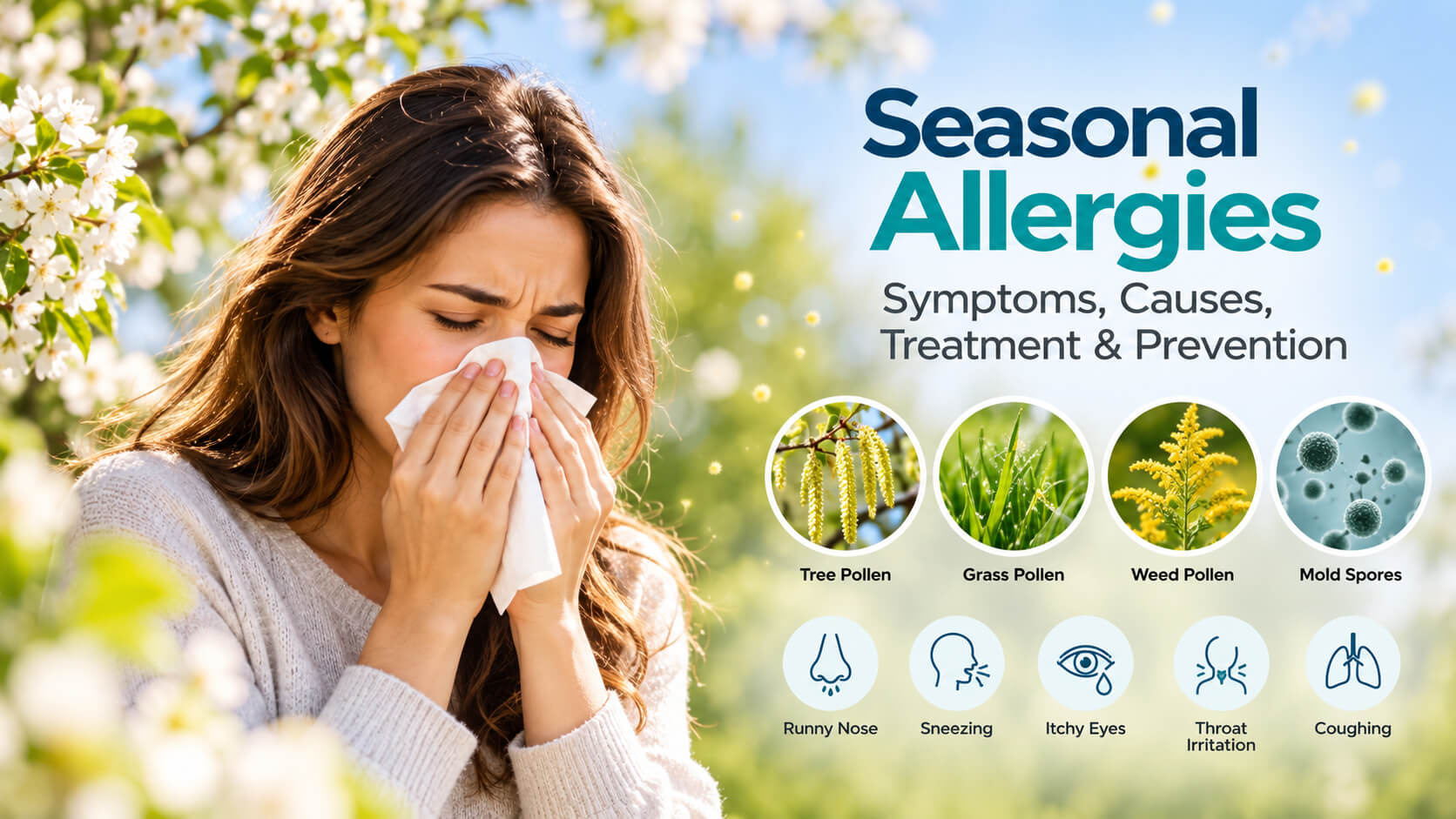
Seasonal allergies, also called hay fever or seasonal allergic rhinitis, are caused by an immune response to airborne allergens such as pollen. Symptoms commonly affect the nose and eyes and may continue while a person is exposed to the triggering allergen.
What Are Seasonal Allergies?
Seasonal allergies are a type of allergic reaction that occurs during particular seasons or periods of the year. They are commonly associated with pollen released by trees, grasses, and weeds.
When someone with an allergy encounters a trigger, their immune system may mistakenly identify the substance as harmful. This can cause the body to release chemicals such as histamine, which contribute to symptoms including sneezing, itching, congestion, and watery eyes.
Seasonal allergies are also commonly called hay fever or seasonal allergic rhinitis.
The timing and severity of symptoms can vary depending on the allergen, geographic location, weather conditions, and individual sensitivity.
Explore LalaRX Allergy InformationCommon Seasonal Allergy Symptoms
The symptoms of seasonal allergies can range from mild to more noticeable. Common symptoms include:
- Frequent sneezing
- Runny nose
- Stuffy or congested nose
- Itchy nose or throat
- Watery or itchy eyes
- Red or irritated eyes
- Coughing
- Postnasal drip
- Sinus pressure
- Tiredness or fatigue
Some people may experience several symptoms at the same time. Symptoms may become more noticeable after spending time outdoors during periods of high pollen exposure.
If symptoms are persistent, severe, or interfere with everyday activities, it is a good idea to discuss them with a healthcare professional.
What Causes Seasonal Allergies?
The most common cause of seasonal allergies is exposure to airborne pollen.
Tree Pollen
Some trees release pollen during specific seasons. People who are sensitive to particular types of tree pollen may develop allergy symptoms when pollen levels increase.
Grass Pollen
Grass pollen is another common trigger. Exposure may cause sneezing, nasal congestion, itchy eyes, and other symptoms in sensitive individuals.
Weed Pollen
Certain weeds release pollen later in the growing season. In some regions, weed pollen can be an important cause of seasonal allergic rhinitis.
Mold Spores
Mold spores can also contribute to allergy symptoms. Mold may be present outdoors and indoors, particularly in damp environments.
It is important to remember that not every runny nose or cough is caused by seasonal allergies. Infections, environmental irritants, asthma, and other conditions can cause similar symptoms.
Seasonal Allergies vs. a Common Cold
Seasonal allergies and the common cold can look similar, especially when symptoms include sneezing and a runny nose. However, there are some general differences.
| Seasonal Allergies | Common Cold |
|---|---|
| Triggered by allergens | Caused by a virus |
| Often cause itching | Itching is less typical |
| May continue with allergen exposure | Usually improves as the infection resolves |
| Often cause watery eyes | Watery eyes are less typical |
| Usually do not cause a fever | A fever may sometimes occur |
These differences are not a diagnosis. If you are uncertain about the cause of your symptoms, speak with a healthcare professional.
How Can You Reduce Seasonal Allergy Symptoms?
Reducing exposure to known allergens can be an important part of managing seasonal allergies.
1. Check Local Pollen Levels
If pollen is one of your known triggers, checking local pollen forecasts can help you plan outdoor activities. During periods of high pollen levels, limiting prolonged outdoor exposure may reduce contact with allergens.
2. Keep Windows Closed When Pollen Is High
Keeping windows and doors closed during high-pollen periods can help reduce the amount of pollen entering indoor spaces. Air conditioning and appropriate filtration may also help improve indoor comfort.
3. Change Clothes After Being Outdoors
Pollen can collect on clothing and other surfaces after spending time outside. Changing clothes after outdoor activities may help reduce continued exposure.
4. Shower After Outdoor Activities
Showering can help remove pollen from your skin and hair. Washing your face and hands after spending time outdoors can also reduce exposure.
5. Keep Indoor Spaces Clean
Regular cleaning can help reduce dust and other indoor allergens. Washing bedding regularly and maintaining clean living spaces may be helpful for people who are sensitive to allergens.
6. Identify Your Personal Triggers
Not everyone reacts to the same allergens. Keeping track of when symptoms occur may help you and your healthcare professional identify possible triggers.
How Are Seasonal Allergies Treated?
Treatment depends on the individual's symptoms, triggers, medical history, and other health considerations. Common approaches may include:
- Reducing exposure to known allergens
- Antihistamines
- Nasal sprays
- Allergy eye drops
- Saline nasal sprays or rinses
- Other treatments recommended by a healthcare professional
Antihistamines may help relieve symptoms such as sneezing, itching, and a runny nose. Some nasal sprays may help reduce nasal inflammation and congestion.
The appropriate treatment depends on the individual. Always follow the product label and seek professional medical advice when you are unsure which treatment is appropriate for you.
For people with persistent or difficult-to-control allergies, a healthcare professional may recommend allergy testing or other treatment options.
Important: Do not start, stop, or change a medication based solely on information in an online article. A qualified healthcare professional can help determine the most appropriate option for your situation.
Can Seasonal Allergies Be Prevented?
Seasonal allergies cannot always be completely prevented, but reducing exposure to known triggers may help reduce symptoms. Helpful strategies may include:
- Monitoring pollen levels
- Limiting outdoor exposure when pollen levels are high
- Keeping windows closed during high-pollen periods
- Showering after outdoor activities
- Changing clothes after spending time outside
- Keeping indoor areas clean
- Following an allergy management plan recommended by a healthcare professional
The best approach depends on the allergens affecting you and the severity of your symptoms.
When Should You See a Healthcare Professional?
Consider talking with a healthcare professional if:
- Your allergy symptoms are persistent.
- Symptoms interfere with sleep or daily activities.
- Over-the-counter measures are not providing adequate relief.
- You are unsure whether your symptoms are caused by allergies.
- Symptoms are becoming more frequent or severe.
- You have asthma or another condition that may be affected by allergies.
A healthcare professional can help determine the possible cause of your symptoms and discuss appropriate treatment options.
If you experience severe or rapidly worsening symptoms that could indicate a serious allergic reaction, seek emergency medical care.
Frequently Asked Questions About Seasonal Allergies
What are seasonal allergies?
Seasonal allergies are allergic reactions that occur during certain times of the year, commonly in response to pollen from trees, grasses, or weeds.
What are the most common seasonal allergy symptoms?
Common symptoms include sneezing, runny or stuffy nose, itchy eyes, watery eyes, throat irritation, coughing, and postnasal drip.
What causes seasonal allergies?
Pollen from trees, grasses, and weeds is a common trigger. Mold spores can also contribute to allergy symptoms in some people.
Are seasonal allergies the same as hay fever?
Hay fever is a common term for allergic rhinitis. Seasonal allergic rhinitis occurs when symptoms are triggered by seasonal allergens such as pollen.
How long do seasonal allergies last?
Symptoms may continue while a person is exposed to the allergen that triggers the reaction. The timing varies depending on the allergen, season, location, and individual sensitivity.
Can seasonal allergies cause fatigue?
Yes. Allergy symptoms can interfere with sleep and may contribute to tiredness or fatigue, particularly when nasal congestion or other symptoms are persistent.
How can I reduce exposure to pollen?
Checking pollen levels, limiting outdoor exposure during high-pollen periods, keeping windows closed, changing clothes after outdoor activities, and showering can help reduce exposure.
Are seasonal allergies contagious?
No. Seasonal allergies are not contagious because they are caused by an immune response to allergens rather than an infectious virus or bacteria.
When should I see a doctor for seasonal allergies?
You should consider speaking with a healthcare professional when symptoms persist, interfere with daily activities, are difficult to manage, or when you are unsure of their cause.
Final Thoughts
Seasonal allergies are common and can cause uncomfortable symptoms such as sneezing, congestion, itchy eyes, and a runny nose. Learning to recognize your triggers and reducing exposure to allergens can help you manage symptoms.
When symptoms are persistent or interfere with everyday life, a healthcare professional can help identify the cause and recommend an appropriate management approach. Reliable health information should support—not replace—professional medical advice. If you have questions about your symptoms or treatment options, speak with a qualified healthcare professional.
Browse LalaRX Pharmacy Options
Medical Disclaimer: This article is provided for general educational and informational purposes only. It is not intended to diagnose, treat, cure, or prevent any disease or condition, and it does not replace advice from a qualified healthcare professional. Always consult an appropriate healthcare professional regarding your individual health concerns and treatment decisions.
Sources: Mayo Clinic and other reputable medical/health information sources. Medical information should be checked against current professional guidance.